The Technical Handover Checklist: What Developers Often Miss
Why MEP Handover Matters More Than You Think
A building's MEP systems — its mechanical, electrical, and plumbing infrastructure — represent nearly 30-40% of construction costs. Yet the handover process for these critical systems often receives less attention than the aesthetic finishes.
This oversight leads to:
- System failures within the first year due to improper operation
- Voided warranties from lack of documentation or maintenance
- Legal disputes over defects versus operational issues
- Increased energy costs from poorly optimized systems
- Owner dissatisfaction affecting your reputation and referrals
The Complete Technical Handover Checklist
1. Documentation Package (The Foundation)
As-Built Drawings
- Updated MEP drawings reflecting all site modifications
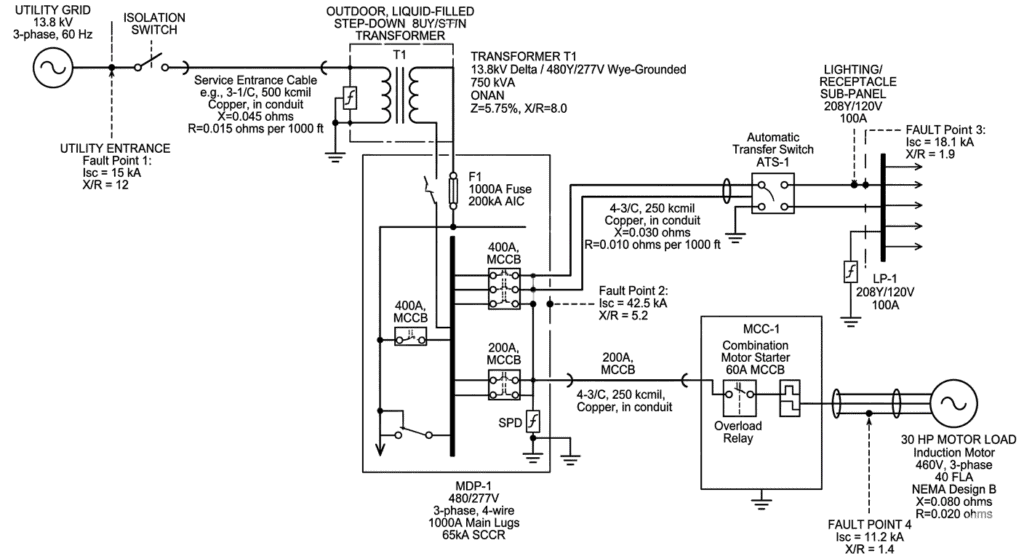
- Electrical single-line diagrams with actual panel loads
- Plumbing riser diagrams with valve locations
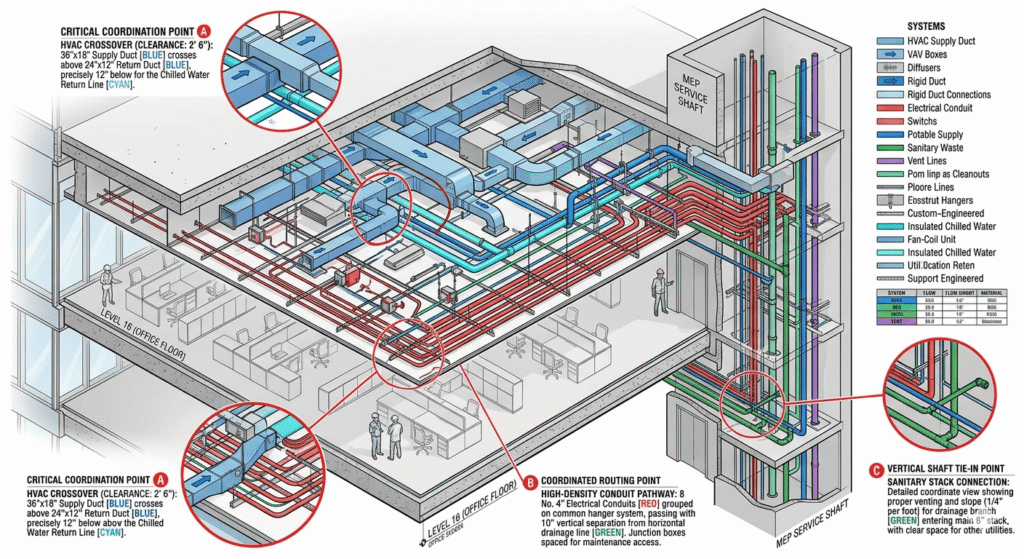
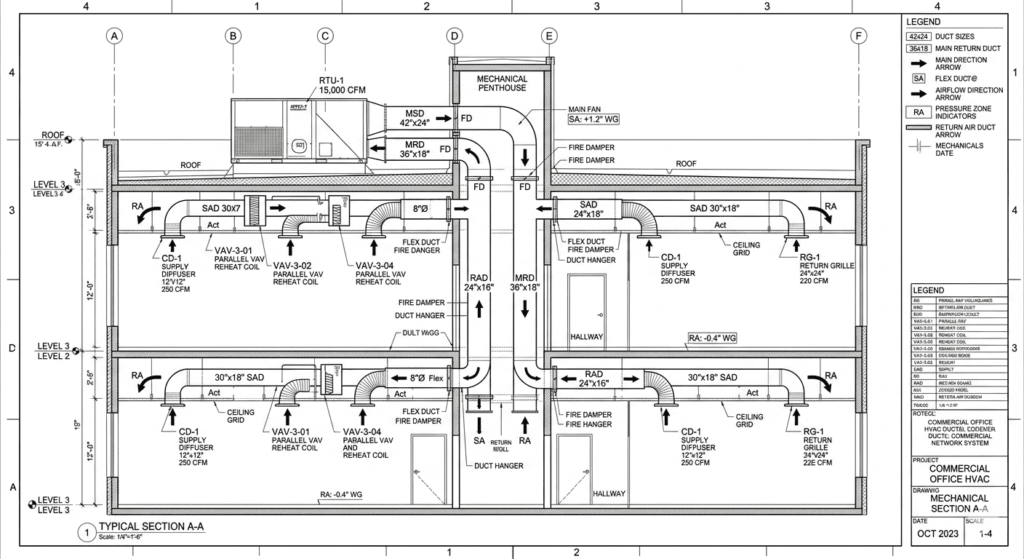
- HVAC duct layouts and equipment schedules
- Fire fighting system layouts with hydrant and sprinkler locations
- Digital CAD files, not just PDFs
Equipment Information
- Complete manufacturer datasheets for all major equipment
- Operation and maintenance manuals in English and Kannada
- Warranty certificates with clear start dates and terms
- Spare parts lists with supplier contact information
- Test certificates and commissioning reports
Compliance Documentation
- BESCOM electrical approvals and test reports
- BWSSB plumbing approvals
- Fire NOC from Karnataka Fire and Emergency Services
- Lift certificates and periodic inspection reports
- Environmental clearances where applicable
The Rs. 40 Lakh Lesson
A prominent Bangalore developer handed over a commercial complex without updated as-built drawings. Six months later, when the owner needed to add a new HVAC zone, they discovered the installed duct routing was completely different from the drawings.
The cost to survey, redraw, and modify the system: Rs. 40 lakhs. The damage to the developer's reputation: priceless.
Lesson learned: As-built drawings aren't optional — they're essential.
2. Training Requirements (The Overlooked Essential)
Handing over manuals isn't training. Your facility team needs practical, hands-on knowledge.
Essential Training Sessions
- HVAC system operation: Chillers, AHUs, FCUs, and controls
- Electrical system management: Panel operations, DG set procedures, emergency protocols
- Plumbing system maintenance: Water treatment, pump operations, leak detection
- Fire safety systems: Testing procedures, annual maintenance requirements
- BMS and automation systems: Navigation, alarm management, scheduling
Training Documentation
- Attendance records with signatures
- Training material handouts
- Video recordings of system walkthroughs
- Emergency contact list for vendors and contractors
- Schedule for periodic refresher training
The Training Reality
Most facility managers receive a stack of manuals and a two-hour walkthrough. Then they're expected to operate complex HVAC systems, manage electrical loads, and maintain fire safety equipment. It's like handing someone car keys and a manual, then expecting them to be a mechanic.
3. Warranty Management (Protecting Your Investment)
Warranties are worthless if they're not properly documented and tracked.
Warranty Checklist
- Comprehensive list of all equipment with individual warranty periods
- Clear start dates — from handover, not installation
- Scope of coverage — what's included and excluded
- Claim procedures — who to contact, response times
- Maintenance requirements — what must be done to keep warranty valid
- Transfer rights — can warranties transfer to new owners?
Common Warranty Pitfalls to Avoid
- Assuming all equipment has the same warranty period
- Not documenting commissioning dates
- Failing to schedule mandatory preventive maintenance
- Losing contact information for suppliers
- Not clarifying labor versus parts coverage
4. Operational Handover (Making It Work)
System Commissioning Verification
- All systems tested under full load conditions
- Energy meters calibrated and recording correctly
- Water treatment systems operational
- Fire pumps tested and certified
- Emergency power systems verified
Consumables and Spares
- Initial stock of filters, belts, and common replacement parts
- Specialized tools required for maintenance
- Chemical water treatment supplies
- Emergency repair materials
Access and Security
- Keys and access cards for all technical rooms
- Updated electrical panel directories
- Labeled valve and isolation points
- Lock codes and system passwords documented
5. The Handover Meeting (Getting Sign-Off Right)
Schedule a formal handover meeting — not a quick walkthrough.
Meeting Agenda
- System-by-system demonstration
- Documentation review and transfer
- Training schedule confirmation
- Warranty terms clarification
- Maintenance schedule discussion
- Emergency procedures review
- Vendor contact list verification
- Formal acceptance signatures
Get It in Writing
- Handover certificate signed by both parties
- Detailed checklist with completion status
- Photographic evidence of system conditions
- Identified punch-list items with completion dates
- Next steps and follow-up schedule
Red Flags: When to Delay Handover
Don't rush the handover just to meet a deadline. Delay if:
- As-built drawings aren't updated
- Major systems haven't been commissioned
- Fire safety systems aren't certified
- Facility team hasn't received basic training
- Warranty documentation is incomplete
- Defects list exceeds acceptable threshold
The A-Square Group Difference
At A-Square Group, we don't just design MEP systems — we ensure smooth handovers that set buildings up for long-term success. Our handover support includes:
- Comprehensive as-built documentation prepared to handover standards
- Coordinated commissioning with all trades for system verification
- Customized training programs for facility teams
- Organized warranty documentation with tracking systems
- Post-handover support for the first operational year
We've supported successful handovers across residential complexes, commercial buildings, healthcare facilities, educational institutions, and hospitality projects throughout Bangalore.
The Bottom Line
A proper technical handover isn't an administrative formality — it's the bridge between construction excellence and operational success. The few extra days invested in thorough documentation, training, and verification save months of troubleshooting and thousands in unnecessary repairs.
Your building's reputation begins the day after handover. Make sure you're ready.
Need Help Preparing for Your Next MEP Handover?
Contact A-Square Group for expert MEP consulting services that cover design through successful operation.
20+ years of experience across 14 diverse sectors in Bangalore
Get in Touch Today