Direct-Current Microgrids: Powering All-Electric Buildings Sustainably
Explore how Direct-Current Microgrids for All-Electric Commercial Buildings boost grid resiliency, energy efficiency, and decarbonization for modern properties.

Covering topics on electrical design, energy-efficient solutions, and maintenance for modern construction projects
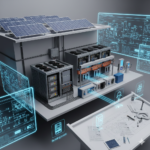
Explore how Direct-Current Microgrids for All-Electric Commercial Buildings boost grid resiliency, energy efficiency, and decarbonization for modern properties.
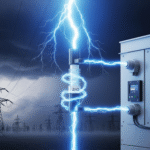
Protect your electrical systems with lightning arresters. Divert surges safely to ground and avoid costly damage using modern ZnO technology.
![A modern educational building with visible electrical infrastructure]](https://a-square.group/wp-content/uploads/2025/04/Gemini_Generated_Image_6mqpp46mqpp46mqp.jpeg)
Electrical safety in educational buildings is vital for ensuring a secure learning environment. From circuit design to energy efficiency, these 8 Electrical Safety Tips for Schools help create a reliable infrastructure that supports students, faculty, and evolving technological needs. Thoughtful electrical planning ensures both safety and long-term functionality for modern education spaces.

Proper electrical safety in base buildings is crucial for ensuring efficiency, longevity, and hazard prevention. From strategic circuit planning to grounding systems, these essential precautions help create a safer, more reliable infrastructure. Explore these 8 Electrical Safety Tips for Base Buildings to enhance safety and performance while maintaining compliance with industry standards.
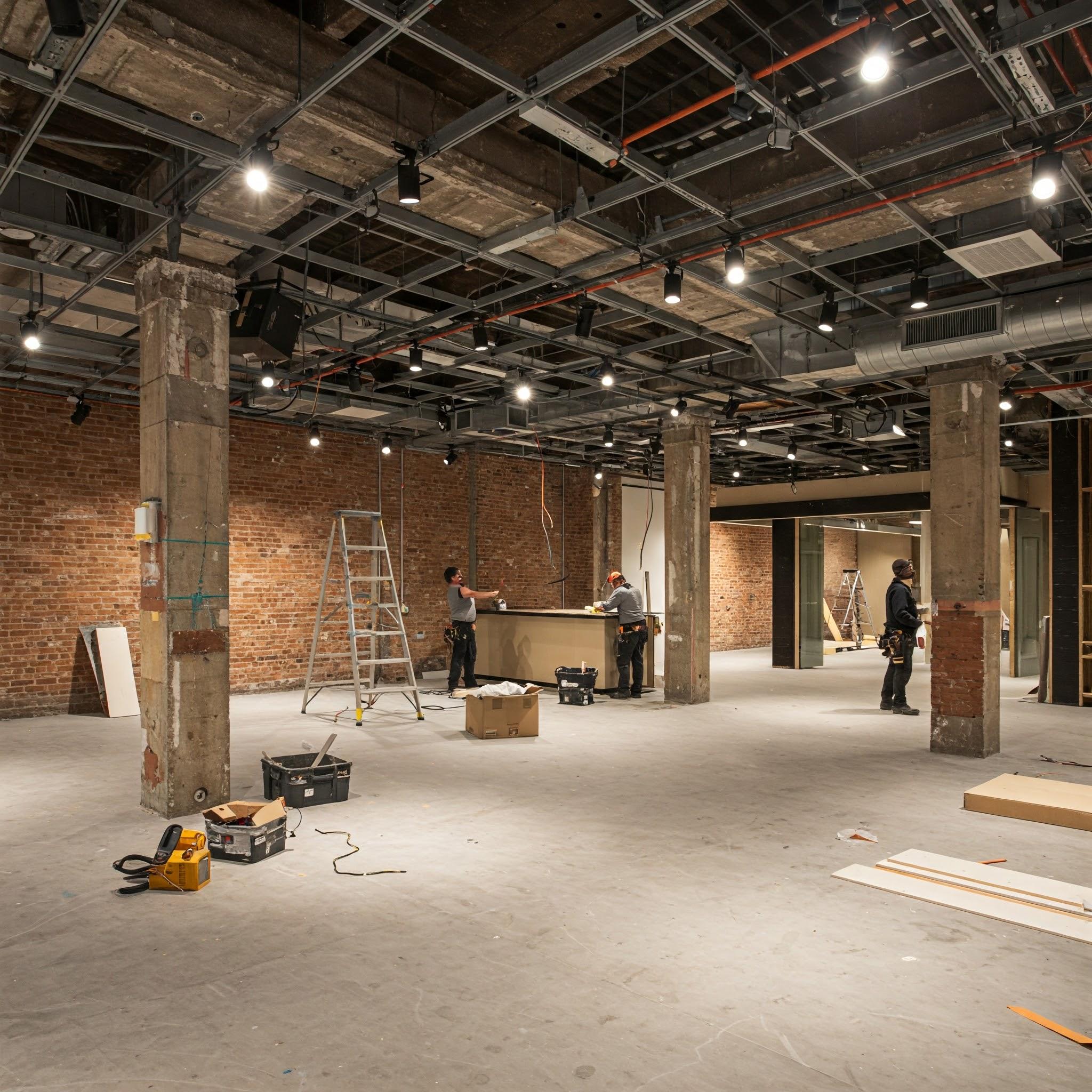
Ensuring electrical safety during interior fitouts is crucial for both efficiency and hazard prevention. From proper circuit design to grounding techniques, taking the right precautions can enhance both safety and functionality. This guide covers eight essential electrical design precautions that every professional should consider.

Designing electrical systems for restaurants, hotels, bars, and lodges requires safety, efficiency, and reliability to support seamless operations and guest comfort. Key considerations include power distribution, lighting optimization, energy efficiency, and compliance with safety standards to ensure a secure and well-functioning environment.

Designing electrical systems for retail stores requires efficiency, safety, and adaptability to support customer experience and operational needs. Key considerations include optimized lighting, reliable power distribution, energy-saving solutions, and compliance with safety standards. A well-planned electrical system enhances store functionality, reduces energy costs, and ensures long-term sustainability.
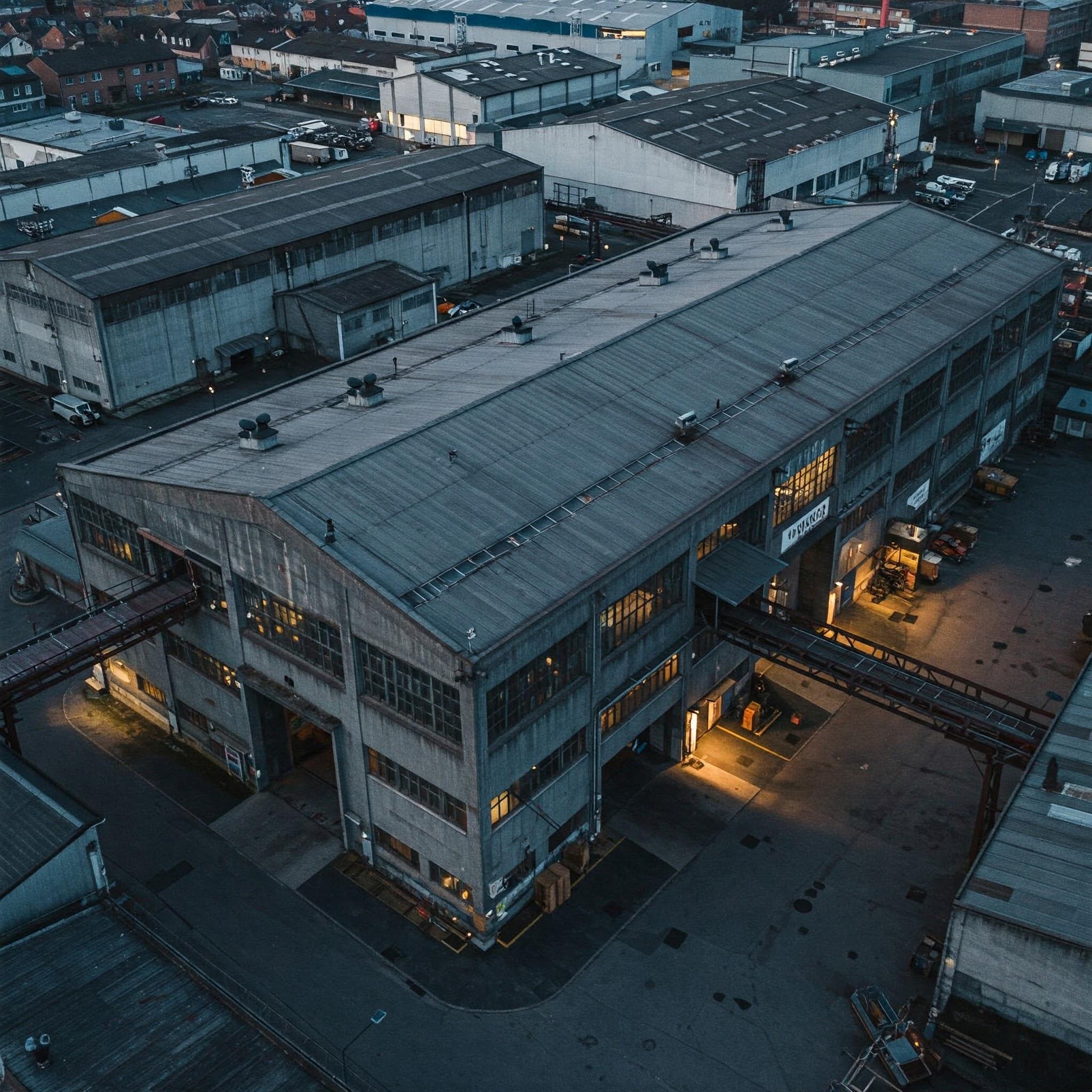
Designing electrical systems for industrial buildings requires precision, durability, and efficiency to support heavy machinery and continuous operations. Key considerations include power distribution, circuit protection, energy optimization, and compliance with safety standards. A well-planned electrical system enhances operational reliability, reduces downtime, and ensures long-term sustainability

Designing electrical systems for commercial buildings requires precision, safety, and efficiency to support business operations and infrastructure. Key considerations include power distribution, circuit protection, energy optimization, and compliance with safety standards. A well-planned electrical system enhances operational reliability, reduces energy costs, and ensures long-term sustainability.

esigning residential electrical systems requires a balance of safety, efficiency, and reliability to ensure seamless power distribution. Key considerations include proper wiring, circuit protection, energy-efficient components, and compliance with safety standards. A well-planned electrical system enhances home safety, reduces energy consumption, and supports long-term functionality.