Fire Alarm and Detection Systems
Fire alarm systems save lives by detecting fire early and alerting occupants in time. This guide explains how smoke detectors, heat sensors, and manual call points work together to protect buildings.

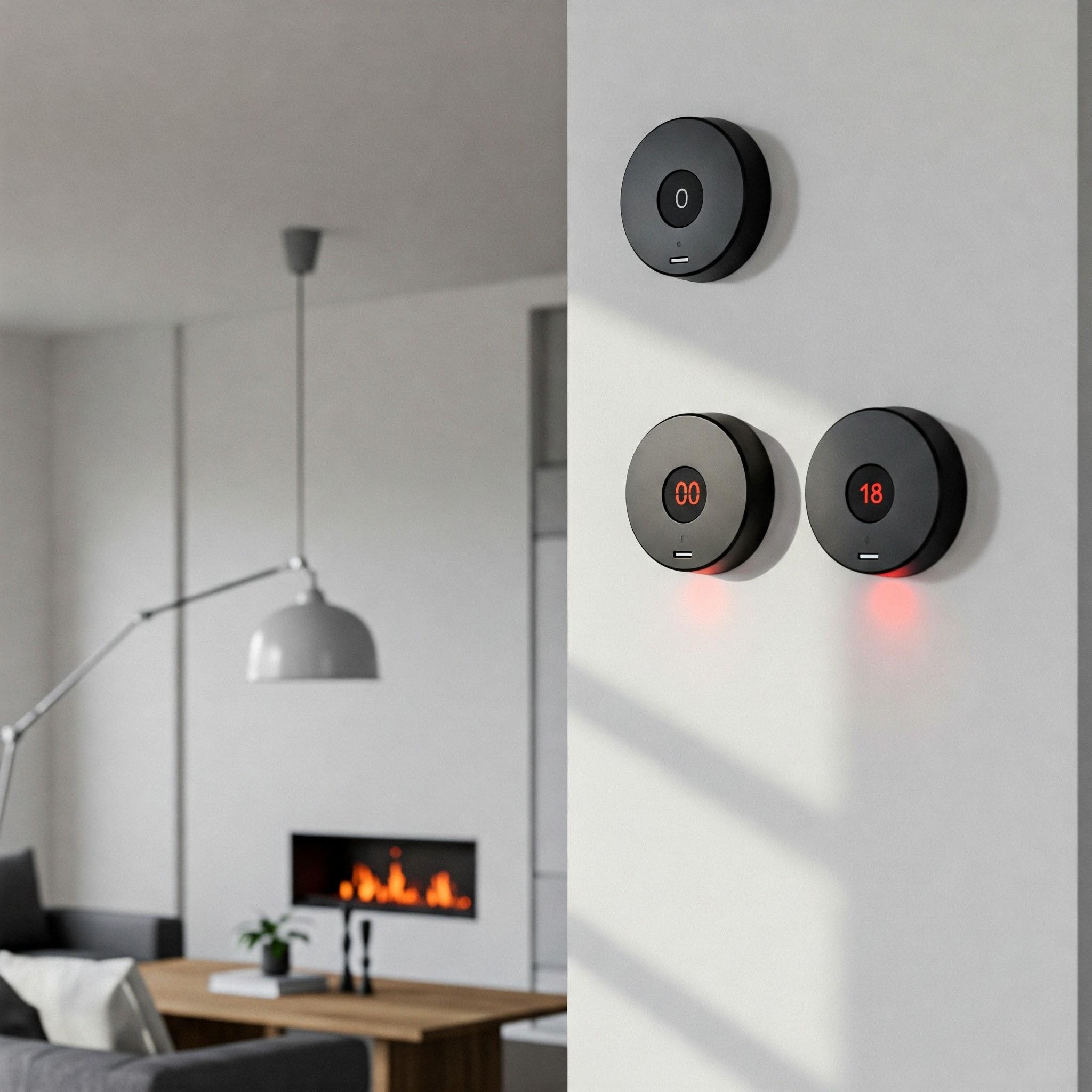
Fire alarm systems save lives by detecting fire early and alerting occupants in time. This guide explains how smoke detectors, heat sensors, and manual call points work together to protect buildings.
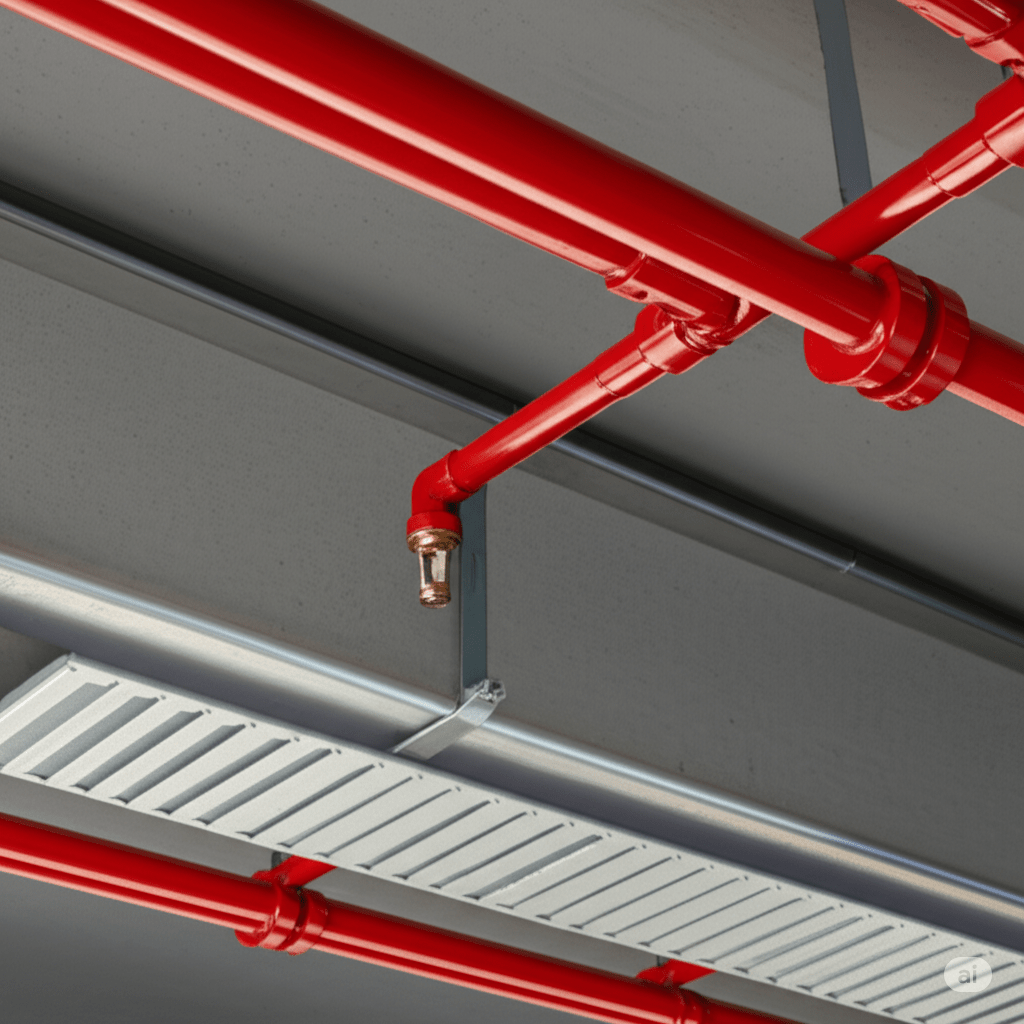
When designing fire safety systems in buildings, coordination with electrical and HVAC services is critical. Learn how smart riser alignment, clearances, and system integration can prevent costly clashes and ensure smooth functioning.
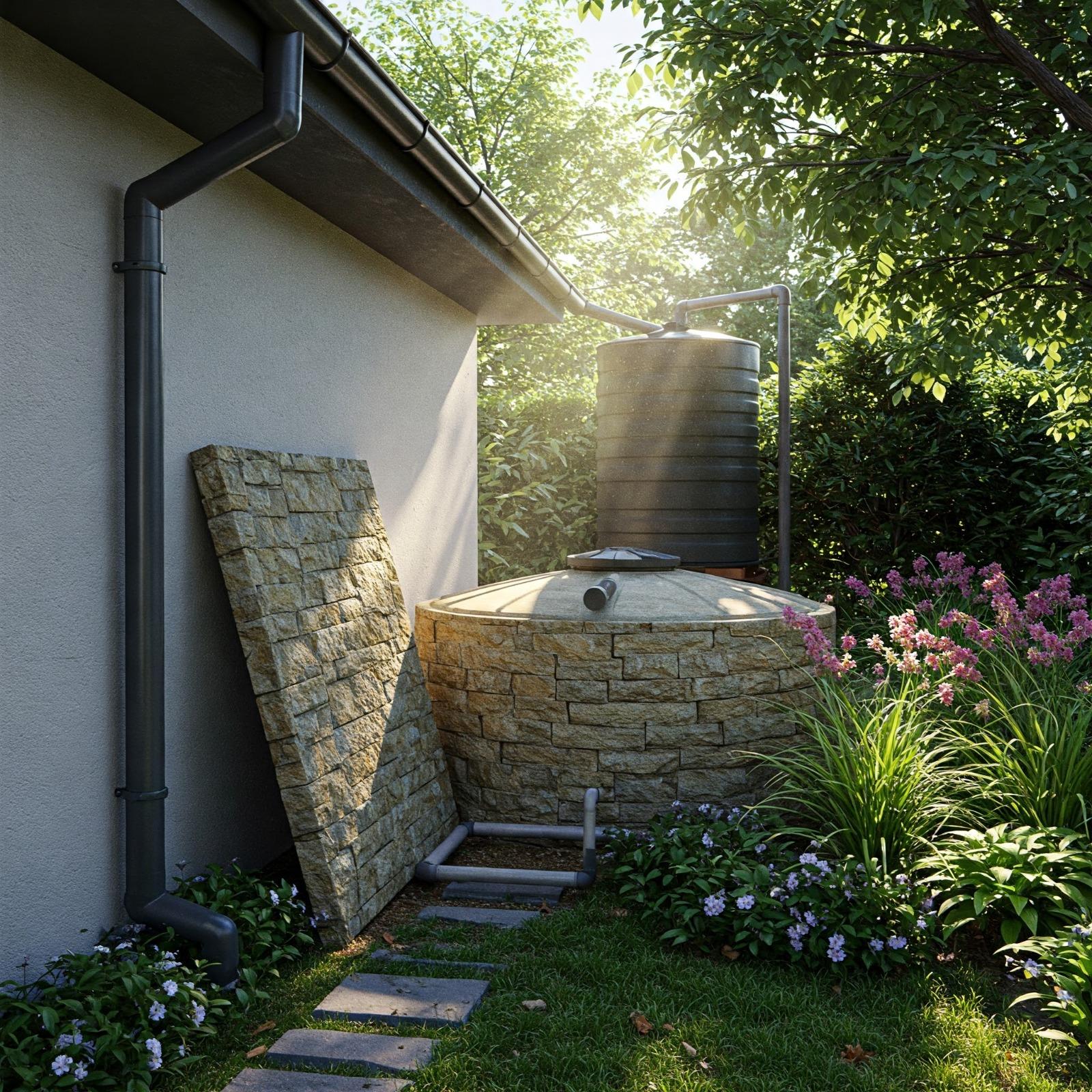
how rainwater harvesting works, and how you can use it for gardening, flushing toilets, and more—no advanced plumbing knowledge needed.

A well-designed fire fighting pump room is the backbone of any building’s fire safety system. This guide walks you through essential components, sizing, and layout tips based on NBC and NFPA standards.

Wondering how buildings stay safe from fires? Fire protection systems are a crucial part of MEP design. This guide explains the basics of fire detection, suppression, and alarms in a simple, easy-to-understand way.

HVAC design in educational buildings goes beyond temperature control. Learn the top 10 precautions to optimize comfort, air quality, and energy efficiency in schools, colleges, and universities.

Discover the top 10 precautions to take when designing HVAC systems for base buildings. From load calculations to zoning, air quality, and maintenance—learn how to future-proof your HVAC design for long-term performance and efficiency.

Ensure safe and efficient HVAC design for interior fitouts with key precautions for air quality, ventilation, and energy efficiency.

Designing an HVAC system for restaurants requires special attention to kitchen ventilation, customer comfort, and air quality. Explore 10 crucial precautions for efficient and compliant HVAC design in restaurants.

Designing HVAC systems for retail stores requires a focus on customer comfort, efficient energy use, and compliance with regulations. From precise load calculations to proper zoning and air quality control, each aspect plays a key role in creating an inviting shopping environment. Learn the top 10 precautions to ensure your retail HVAC system is optimized for performance and customer satisfaction.