
Table of Contents
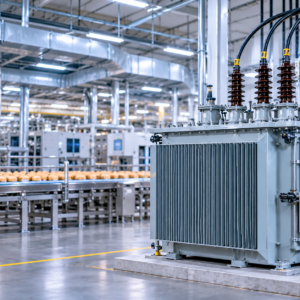
- Introduction: Understanding the Risk of Peak-Load Failures
- Transformer Overloading in Food Processing Plants: Electrical Fundamentals
- Real Project Impact: When Demand Factor Fails
- Multidisciplinary Failure Modes: HVAC, Electrical, and Plumbing
- Financial and Operational Cost Impact
- Step-by-Step Engineering Method
- Transformer Sizing and Loading Calculation Example
- Best Practices for Industrial MEP Design
- Governing Standards and Codes
- Conclusion and Expert Consultation
- Frequently Asked Questions
Introduction: Understanding the Risk of Peak-Load Failures
Transformer overloading in food processing plants is a major electrical engineering challenge, particularly during peak production cycles. Maintaining uninterrupted operations requires accurate transformer sizing and a thorough assessment of electrical demand.
Food processing facilities operate energy-intensive systems, including industrial refrigeration compressors, HVAC chillers, processing machinery, conveyors, and sanitation pumps. When these systems operate simultaneously, actual electrical demand can exceed the capacity considered during the initial design stage.
Consider a food processing facility experiencing an unexpected power interruption during a peak production shift. An incorrectly estimated demand factor, inadequate load profiling, or insufficient transformer capacity could contribute to overheating, protective trips, and production downtime.
Understanding transformer overloading risks requires coordinated HVAC, electrical, and plumbing engineering, supported by accurate load calculations and realistic operating profiles.
Transformer Overloading in Food Processing Plants: Electrical Fundamentals
Food processing facilities have complex electrical distribution networks that support refrigeration compressors, Individually Quick Frozen (IQF) tunnels, conveyor systems, pumps, and continuous-duty motors.
These loads can operate simultaneously, creating substantial electrical demand. Incorrect diversity assumptions, inadequate transformer capacity, high ambient temperatures, and poor ventilation can increase transformer thermal stress.
Additionally, variable frequency drives (VFDs) introduce harmonic currents that may increase transformer losses and heating. Engineers must therefore assess actual operating loads, power quality, cooling conditions, and transformer loading limits when designing industrial electrical distribution systems.
Key Causes of Transformer Overloading in Food Processing Plants
During summer peak harvest seasons, processing volumes surge by 40%. A recent plant expansion review highlighted a severe transformer capacity mismatch. The original electrical design applied a generic 0.65 demand factor across all connected loads, ignoring the continuous simultaneous operation of processing lines and HVAC chillers. As ambient outdoor temperatures spiked, refrigeration compressors drew maximum FLA (Full Load Amps), pushing transformer loading to 118% of its nameplate rating. The resulting peak load breakdown destroyed the transformer winding insulation, halted production for four days, and spoiled $1.2 million worth of perishable inventory. Proper industrial building hvac electrical plumbing engineering design for food processing plants prevents these exact multi-system oversights.
Multidisciplinary Failure Modes: HVAC, Electrical, and Plumbing
Electrical failures in food plants rarely occur in isolation. They are typically triggered by cascading anomalies across building services:
- HVAC Systems: Refrigeration compressors and HVAC chillers contribute significantly to the facility’s electrical demand. High cooling loads, poor heat rejection, and extended equipment operating hours can increase power consumption. Their actual power factor and operating conditions should be considered during transformer load calculations.
- Electrical Systems: Poor power factor increases the current required to supply a given level of active power. Harmonic currents generated by variable frequency drives (VFDs) can also increase transformer losses and heating. Proper power quality assessment and suitable corrective measures help maintain reliable electrical distribution.
- Plumbing and Sanitation: Clean-in-Place (CIP) pumps, booster pumps, and water heating equipment contribute to the facility’s electrical demand. Simultaneous motor starting can produce temporary inrush currents, which should be considered when evaluating transformer capacity and electrical protection coordination.
Financial and Operational Cost Impact
Financial Impact Highlight: Transformer Failure Breakdown
- Direct Equipment Replacement Cost: ₹1.71–₹3.33 crore for a custom dual-secondary industrial transformer.
- Inventory Spoilage Losses: ₹4.75–₹19.01 crore depending on cold storage capacity and dwell time.
- Production Downtime Penalties: ₹14.26–₹38.02 lakh per hour per lost operational hour.
- Emergency Rental Generator & Cabling: ₹42.77 lakh per week deployment expense.
Step-by-Step Engineering Method
To eliminate transformer loading errors, A-Square MEP Consultants deploy a rigorous, methodical engineering workflow:
- Comprehensive Load Profiling: Audit existing and projected connected loads across HVAC, refrigeration, process machinery, and plumbing booster systems.
- Coincident Peak Factor Analysis: Measure actual diversified peak demand during peak summer ambient conditions rather than relying solely on nameplate data.
- Harmonic & Power Factor Assessment: Evaluate VFD profiles and design active harmonic filters to reduce transformer de-rating requirements.
- Cross-Disciplinary Coordination: Align HVAC heat load calculations with electrical heat-gain tables and plumbing sanitary water heating demands.
- Transformer Sizing & Redundancy: Specify N+1 transformer configurations or split-bus architectures to handle future plant expansions safely.
Best Practices for Industrial MEP Design
Install suitable power monitoring systems to track electrical demand, power factor, and power quality.
Maintain appropriate ventilation and temperature conditions in transformer and electrical rooms.
Coordinate plumbing pipe routes to reduce the risk of water leakage near electrical equipment.
Evaluate harmonic distortion and power factor correction requirements based on actual measurements.
Review transformer capacity, protection coordination, and future expansion requirements during the design stage.
These practices help improve electrical reliability and support uninterrupted industrial operations.
Governing Standards and Codes
Compliance with international engineering standards protects plant capital and personnel:
- NFPA 70 (NEC): Governs safe electrical installations, transformer sizing, grounding, and overcurrent protection protocols.
- IEEE Std 141: Provides definitive industrial power distribution design recommendations, voltage drop limits, and short-circuit studies.
- ASHRAE Handbook – HVAC Applications: Outlines precise cooling load calculations, industrial ventilation rates, and refrigeration heat rejection requirements.
- IPC / IS (International Plumbing Code / Industrial Standards): Regulates sanitary drainage, process water supply, and backflow prevention.
Conclusion and Expert Consultation
Catastrophic transformer failures in food processing facilities are entirely preventable through rigorous engineering coordination. Neglecting peak coincident loads, power factor realities, and cross-disciplinary building services invites severe financial and operational risk. Partner with A-Square MEP Consultants to secure your facility’s infrastructure. Our seasoned engineering team delivers bulletproof industrial building hvac electrical plumbing engineering design for food processing plants, ensuring uninterrupted peak production year-round. Contact A-Square MEP Consultants today for a comprehensive electrical load audit.
Frequently Asked Questions
Why do standard transformer sizing methods fail in food processing plants?
Standard commercial methods underestimate continuous heavy motor loads, simultaneous refrigeration peak cycles, and harmonic distortion generated by variable frequency drives during peak harvest seasons.
How does HVAC and plumbing integration affect electrical transformer loading?
HVAC chillers and high-pressure plumbing booster pumps draw massive inductive currents during startup and heavy load cycles. Uncoordinated startup schedules create cumulative inrush currents that overload step-down transformers.
What is the recommended transformer capacity safety margin for industrial expansions?
Engineers should maintain a minimum 20% to 25% capacity buffer above calculated peak coincident apparent power ($S$) to accommodate future equipment additions and aging derating factors.bhai kaha


