
A-SQUARE GROUP

1.

Picture of Modern BUilding
Electrical Systems, MEP

8 Electrical Safety Tips for Base Buildings

Proper electrical safety in base buildings is crucial for ensuring efficiency, longevity, and hazard prevention. From strategic circuit planning to grounding systems, these essential precautions help create a safer, more reliable infrastructure. Explore these 8 Electrical Safety Tips for Base Buildings to enhance safety and performance while maintaining compliance with industry standards.


A picture depicting Reatil Store
Electrical Systems, MEP

Electrical system design for retail stores

Designing electrical systems for retail stores requires efficiency, safety, and adaptability to support customer experience and operational needs. Key considerations include optimized lighting, reliable power distribution, energy-saving solutions, and compliance with safety standards. A well-planned electrical system enhances store functionality, reduces energy costs, and ensures long-term sustainability.

Picture of Commercial building
Electrical Systems, MEP

Efficient Commercial Electrical Design

Designing electrical systems for commercial buildings requires precision, safety, and efficiency to support business operations and infrastructure. Key considerations include power distribution, circuit protection, energy optimization, and compliance with safety standards. A well-planned electrical system enhances operational reliability, reduces energy costs, and ensures long-term sustainability.

Picture of Data Centre
Electrical Systems, MEP

Data Center Electrical Design Precautions

Designing a data center electrical system requires careful planning to ensure reliability, safety, and efficiency. Key precautions include redundant power supplies, fire suppression systems, cooling solutions, and security measures to protect critical infrastructure. Compliance with industry standards and regular monitoring help maintain optimal performance and prevent failures.

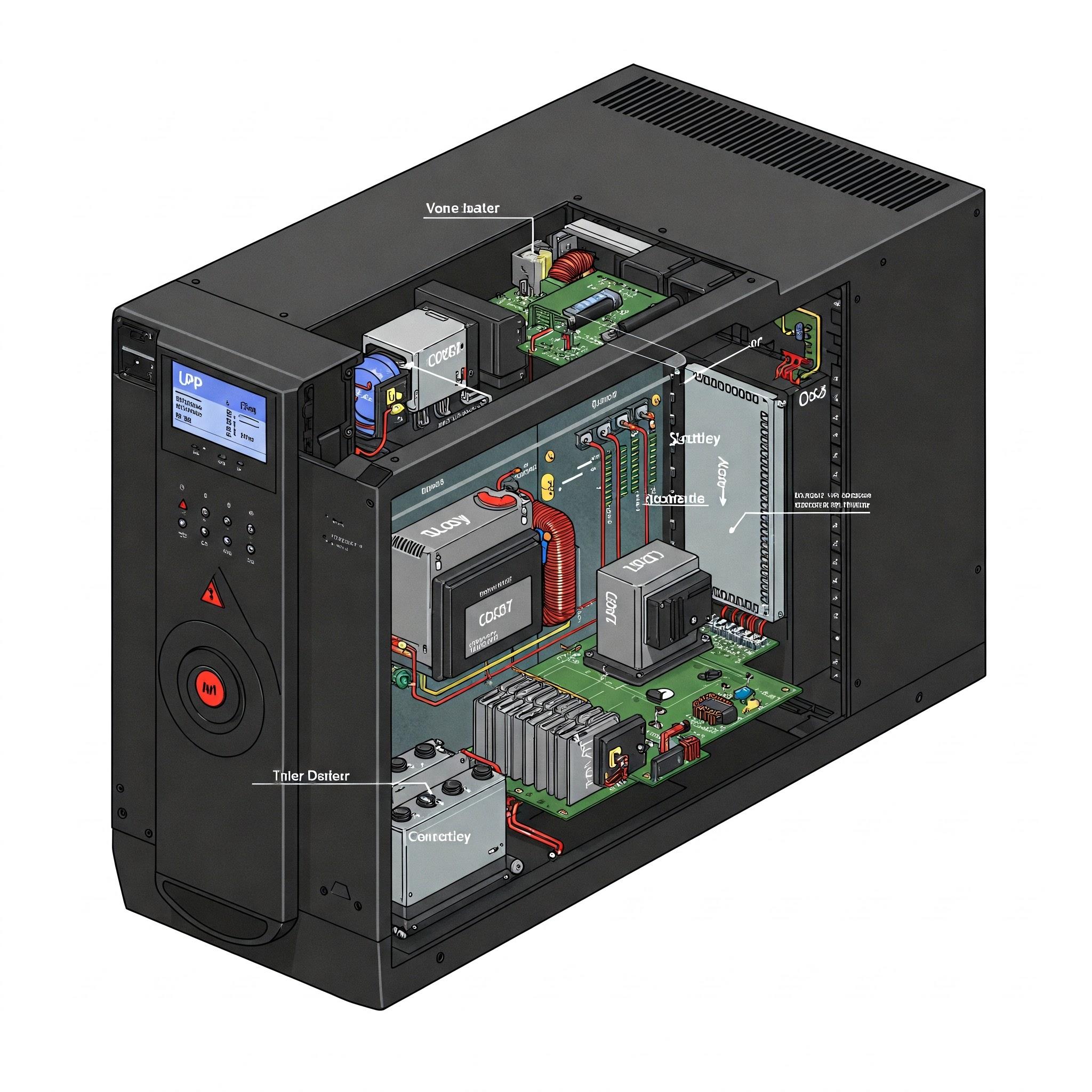
Picture of UPS
Electrical Systems, MEP

Critical Load Battery Backup Design

Designing a battery backup system for critical electrical loads ensures uninterrupted power supply during outages. Key factors include load capacity, backup duration, battery type, and efficiency. Proper sizing, installation, and monitoring optimize reliability and performance in electrical installations.

Solverwp- WordPress Theme and Plugin

Scroll to Top